This document examines what has changed, what has remained the same, and what challenges still lie ahead in moving from voluntary corporate action to effective legal obligations in the field of human rights. The document emphasises that: “Over the past four years, progress has been made that has begun to change the way in which the Colombian State approaches the relationship between business and human rights. Whilst many of these changes are only just beginning to be implemented, they have established public policy guidelines, institutional and regulatory frameworks, assessments, contextual elements and debates that did not previously exist. These advances were the result of multiple factors, including greater openness and willingness on the part of some government institutions, but also a cumulative process driven by civil society, which over these years has helped to build an understanding of the business and human rights field, conduct assessments, formulate proposals, promote spaces for discussion, and maintain constant advocacy and monitoring of this agenda.” And, by way of conclusion, it warns that “The policies announced by the new government — including the intensification of a new cycle of resource extraction through the resumption of fracking; the deregulation of various economic sectors; the expansion of the private sector’s role in state management; the weakening of institutions created under the Final Peace Agreement; and the abolition of the Presidential Advisory Office on Human Rights from where much of the state’s leadership on this issue had been organised; the announcements of withdrawal from the United Nations system and the Inter-American Human Rights System; the alignment with US foreign policy; and the full restoration of relations with Israel—all paint a picture of a profound setback for the business and human rights agenda. If implemented, these policies would not only jeopardise the continuity of the institutional and regulatory progress achieved in recent years, but would also weaken national and international mechanisms for the protection of human rights and the state’s capacity to prevent, monitor, investigate and respond to the impacts of business activities on human rights and the environment.”
Day: 2 September 2026
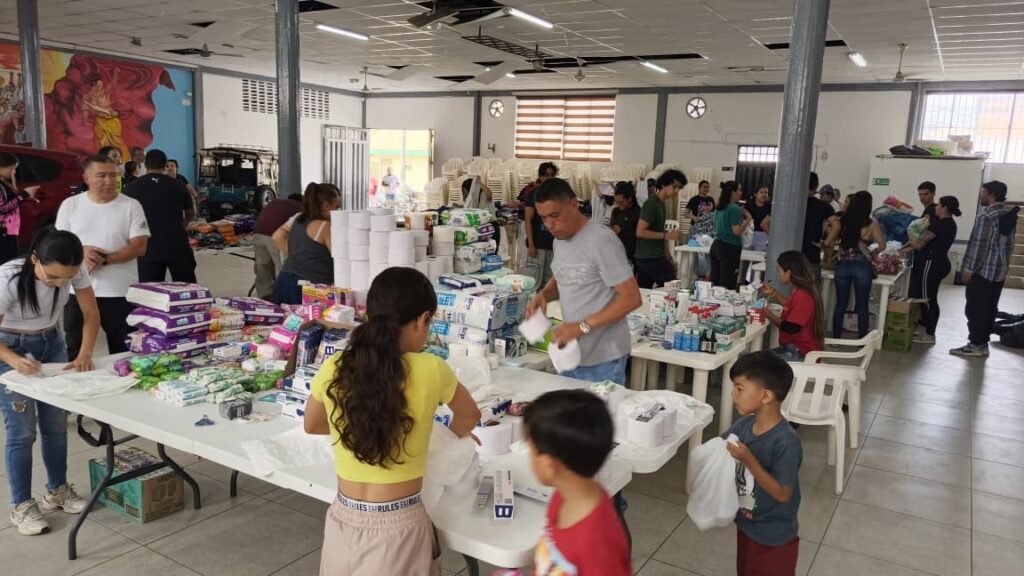
Solidarity with the communities affected by the earthquake in Colombia
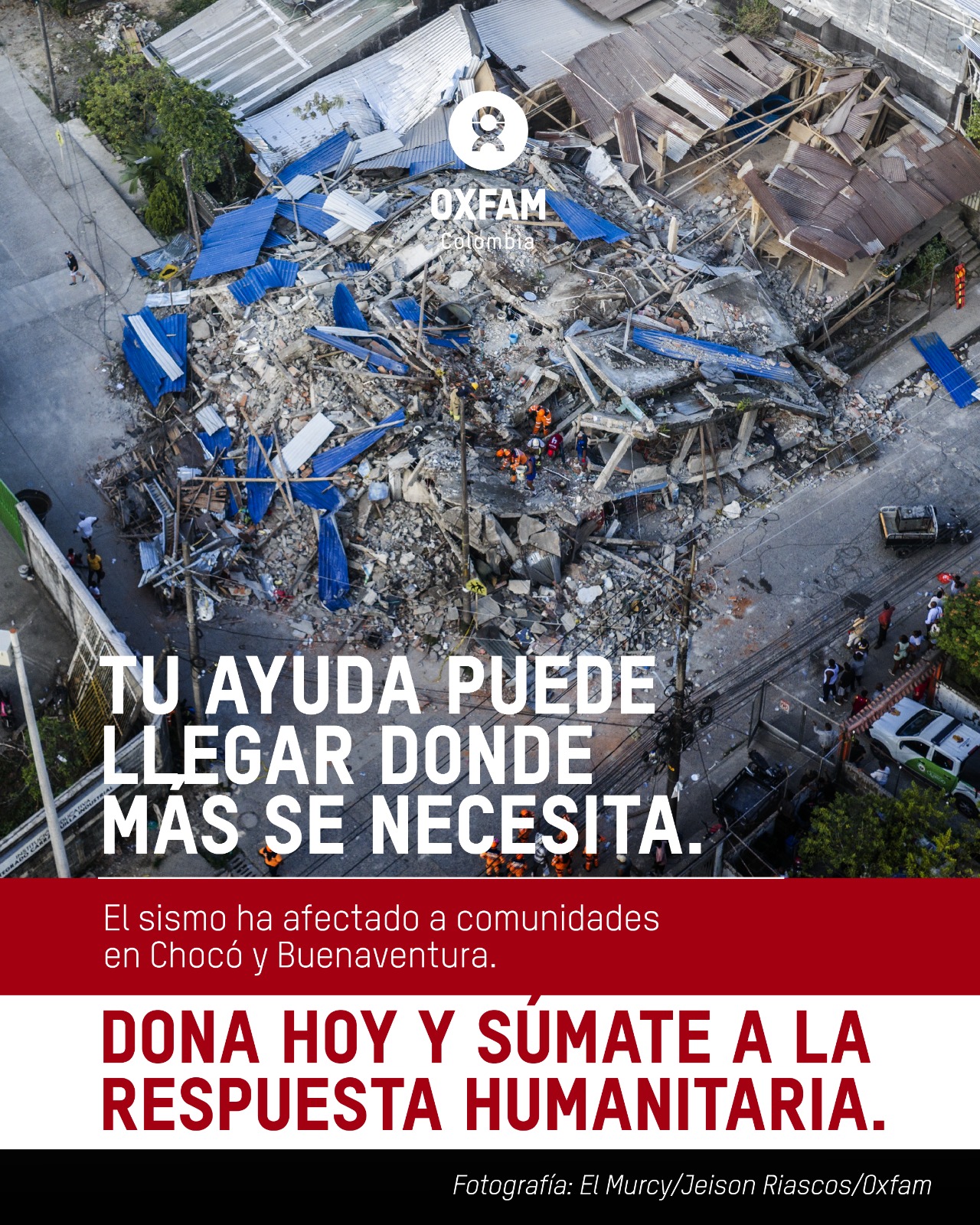
The recent earthquake in Colombia has left thousands of people and communities facing severe hardship and urgent humanitarian needs.
At OIDHACO, we join the call for solidarity and support the campaigns launched by Oxfam Colombia and SOLSOC to raise funds for the emergency response and to help the affected communities.
Every donation helps to strengthen the assistance and support provided to those who need it most at this time.
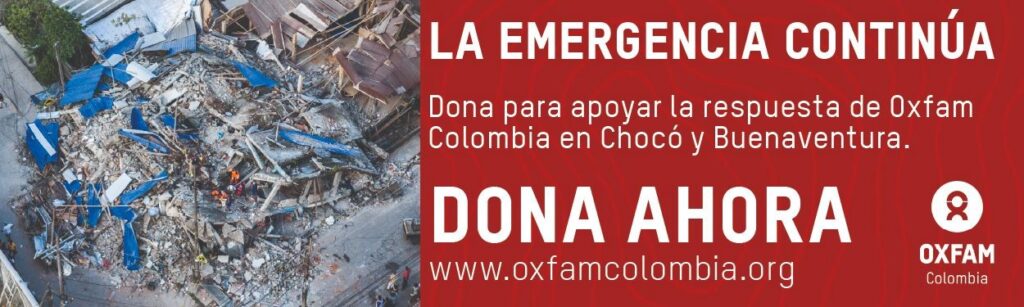
Support the campaing make a donation

Would you like to support the work of SOLSOC’s partners in Colombia?
You can make a donation to the Solsoc account:
BE07 8777 9913 0166
Please quote «Solidaridad Colombia»
In Belgium for donations of €40 or more per year, you are entitled to a tax deduction of 30 per cent of the amount donated.
Thank you for your support