Caribe Afirmativo / Wilson Castañeda – Institutional setbacks and the risk of a rollback in LGBTIQ+ rights.
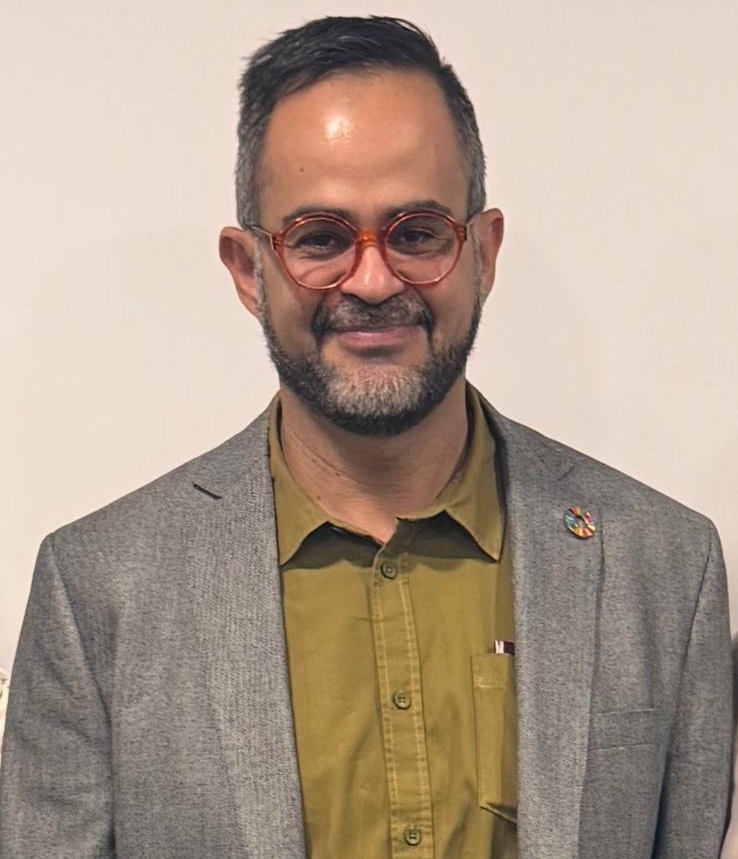
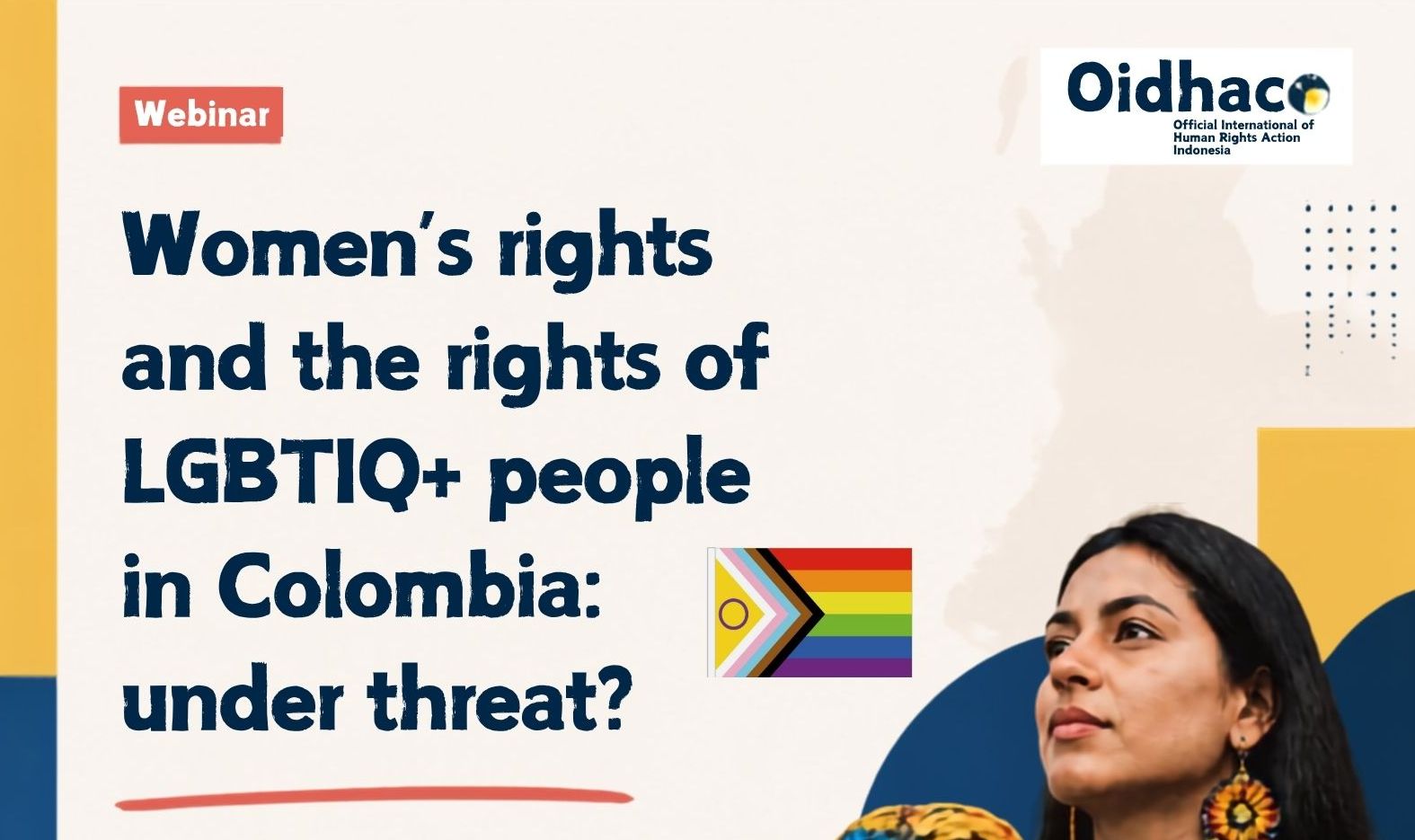
In his speech, he warned of a series of decisions that are immediately leading to a gradual weakening of the LGBTIQ+ agenda in Colombia. Among the examples mentioned were the winding up of the Ministry of Equality and Equity, the removal of inclusive language from certain government documents, and the reduction in Colombia’s participation in international forums linked to LGBTIQ+ rights, such as the Equal Rights Coalition. He pointed out that to date, the incoming government has already taken 27 actions against the rights of LGBTIQ+ people.
These measures include the appointment of individuals who have held positions clearly opposed to LGBTIQ+ rights, as well as a reduction in dialogue between the Government and civil society organisations.
Among the cases highlighted are high-ranking officials in the Ministries of Education, Culture and Foreign Affairs, Colombia’s delegation to the OAS, and the person in charge of winding up the Ministry of Equality. These are individuals who, at various times, have expressed views opposed to gender-sensitive approaches, comprehensive sexuality education, same-sex marriage, adoption by same-sex couples and other policies recognising LGBTIQ+ rights, or who have promoted rhetoric and initiatives against the so-called ‘gender ideology’.
The concern expressed is not limited to a possible formal repeal of rights, but also extends to the risk that existing policies may lose their effectiveness due to a lack of funding, institutional weakening or a lack of political will to implement them. Wilson Castañeda also pointed out that the 2016 Peace Agreement expressly included LGBTIQ+ people and that any setback in its implementation also affects this population. He therefore called on the international community to support the defence of constitutional advances and to remind the Colombian State that recognised rights cannot be rolled back.
Fundación Latidos del Chocó / María Victoria – Violence, territory and intersectionality.
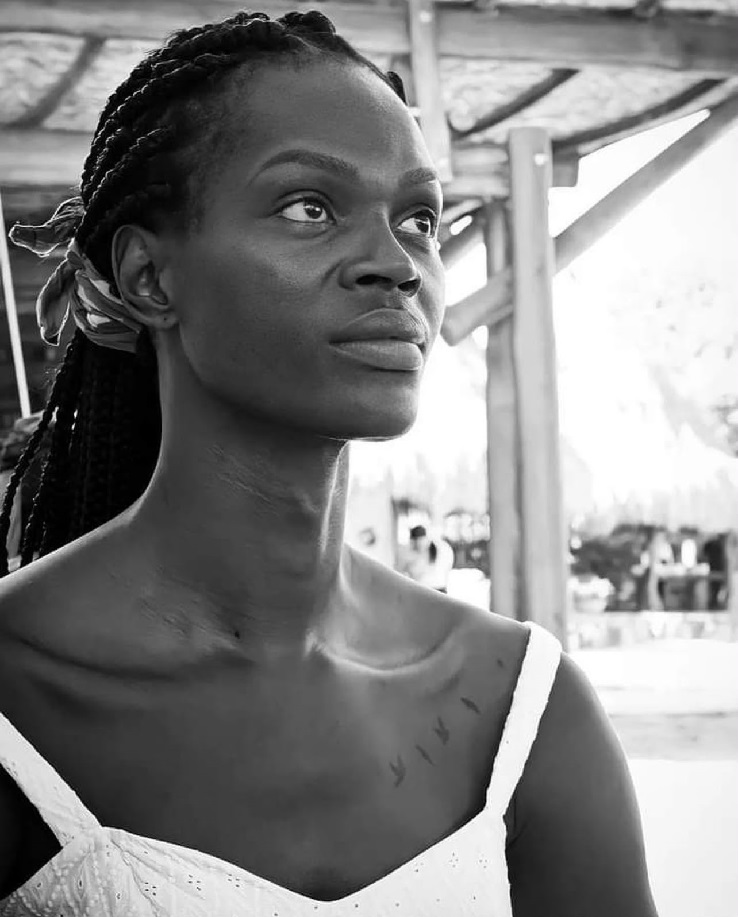
Speaking from Chocó, María Victoria’s contribution highlighted how these setbacks are felt most acutely in areas where the armed conflict continues. As an example of the deterioration in security, she cited recent drone attacks in the department and the ongoing armed conflict, which directly affects local communities.
She highlighted a key paradox: Colombia has one of the most advanced legal frameworks in the region for the protection of LGBTIQ+ people, yet murders, threats, prejudice-motivated violence and discrimination continue to occur. Trans people remain one of the groups most at risk of attack.
She also highlighted the particular situation of LGBTIQ+ people of African descent and indigenous people, who face simultaneous discrimination on the grounds of sexual orientation or gender identity, racism, territorial exclusion and armed violence. From this perspective, protection cannot be limited to general measures, but must incorporate ethnic, territorial and differentiated approaches.
Maria Victoria’s speech also emphasised that peace processes and negotiations with armed groups have a tangible impact on the security of these communities. Maintaining dialogue and preventing a further escalation of the conflict is a necessary condition for guaranteeing rights in these territories
Corporación Humanas / Adriana Benjumea – Institutional decisions and specific risks.
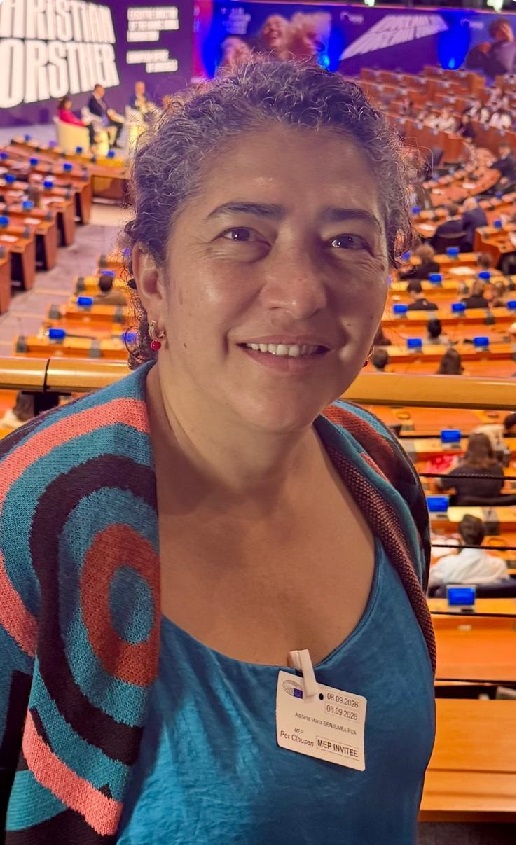
Adriana Benjumea framed several of the recent changes as part of a “culture war” that combines discriminatory rhetoric, political appointments and administrative decisions with concrete consequences for equality policies.
Among the examples cited was the appointment of Milton Rodríguez in the process of winding up the Ministry of Equality, a decision which raises uncertainty as to which institution will now take on the role of liaising with women’s and LGBTIQ+ organisations, and what will happen to the policies developed by that Ministry.
She also expressed concern about measures relating to security and public order, including new protocols governing the entry of law enforcement officers onto university campuses and changes regarding the carrying of weapons. These decisions were presented as part of a trend towards responses that are more security-focused and militarised.
Of particular concern is the new Government’s decision to lift the general suspension on firearms licences, against a backdrop of persistent
violence against women and LGBTIQ+ people, as a greater presence of firearms in everyday settings may increase the risks of gender-based violence, domestic violence and hate-motivated attacks. Another key point raised was the risk of a reduction in funding for the Special Jurisdiction for Peace. This would have consequences not only for the transitional justice system as a whole, but also for ‘Macro-Case 11’, which investigates gender-based violence, including sexual, reproductive and hate-motivated violence committed during the armed conflict.
Finally, she warned of the difficulties that budgetary and institutional weaknesses could pose for the implementation of the National Action Plan on Resolution 1325 on Women, Peace and Security.
Key findings
The organisations warned that the change of government not only raises uncertainties about the continuity of LGBTIQ+ policies, but also signals a lack of political will to uphold them and an approach that is openly opposed to several of the advances achieved. The closure of the Ministry of Equality, the questioning of gender policies and the reduction in opportunities for dialogue are causing concern about the future of funding, institutional frameworks and the participation of LGBTIQ+ organisations.
The concern raised during the webinar was that some rights and policies may continue to exist in name only but lose their effectiveness if the teams, budgets or institutional mechanisms responsible for implementing them are no longer in place.
The Colombian case was also placed within a broader regional context. It was noted that, although Latin America has made significant progress in the recognition of LGBTIQ+ rights, this has gone hand in hand with an increase in violence, anti-rights rhetoric and the emergence and presence of these groups in political and institutional spheres. It was also highlighted that many regional networks exist and coordinate between countries such as Colombia, Argentina, El Salvador and the United States, but that a lack of resources limits their actual capacity for action and international presence.
One particularly pressing issue is the decline in international cooperation. During the debate, mention was made of the closure of USAID and the reduction in funding from countries such as Germany, the Netherlands and France. For many Latin American LGBTIQ+ organisations, particularly the smaller or regional ones, this reduction directly affects their ability to participate in international networks, document violations, protect people under threat or maintain a presence in their local areas.
A joint message to the European Union and the international community
The various speakers were unanimous in calling for international support not to be limited to general statements. Among the specific priorities highlighted were maintaining flexible, long-term funding for civil society organisations; monitoring the closure of the Ministry of Equality and the transfer of its responsibilities; supporting the implementation of the gender perspective within the Peace Agreement; backing the work of the JEP and Macro-Case 11 (gender-based violence, including sexual and reproductive violence, and crimes committed on the basis of prejudice); and monitoring the implementation of UN Resolution 1325 on women, peace and security.
It was also requested that these issues form part of the political and human rights dialogue between the European Union and Colombia, and that the effective and direct participation of civil society in European cooperation programmes and investments – including the Global Gateway strategy – be guaranteed.
To strengthen support and assistance, both within Colombia and from abroad, for civil society organisations; to ensure effective forums for dialogue with the Government; and to uphold the commitment to peace, preventing the country from reverting to a mindset of confrontation and militarisation reminiscent of the darkest periods of its wartime past.
In conclusion, the legal progress made in recent years may prove to be meaningless if, in addition to a lack of political will, there are no robust institutions and civil society organisations with sufficient resources and opportunities for participation to ensure that these laws are effectively implemented.