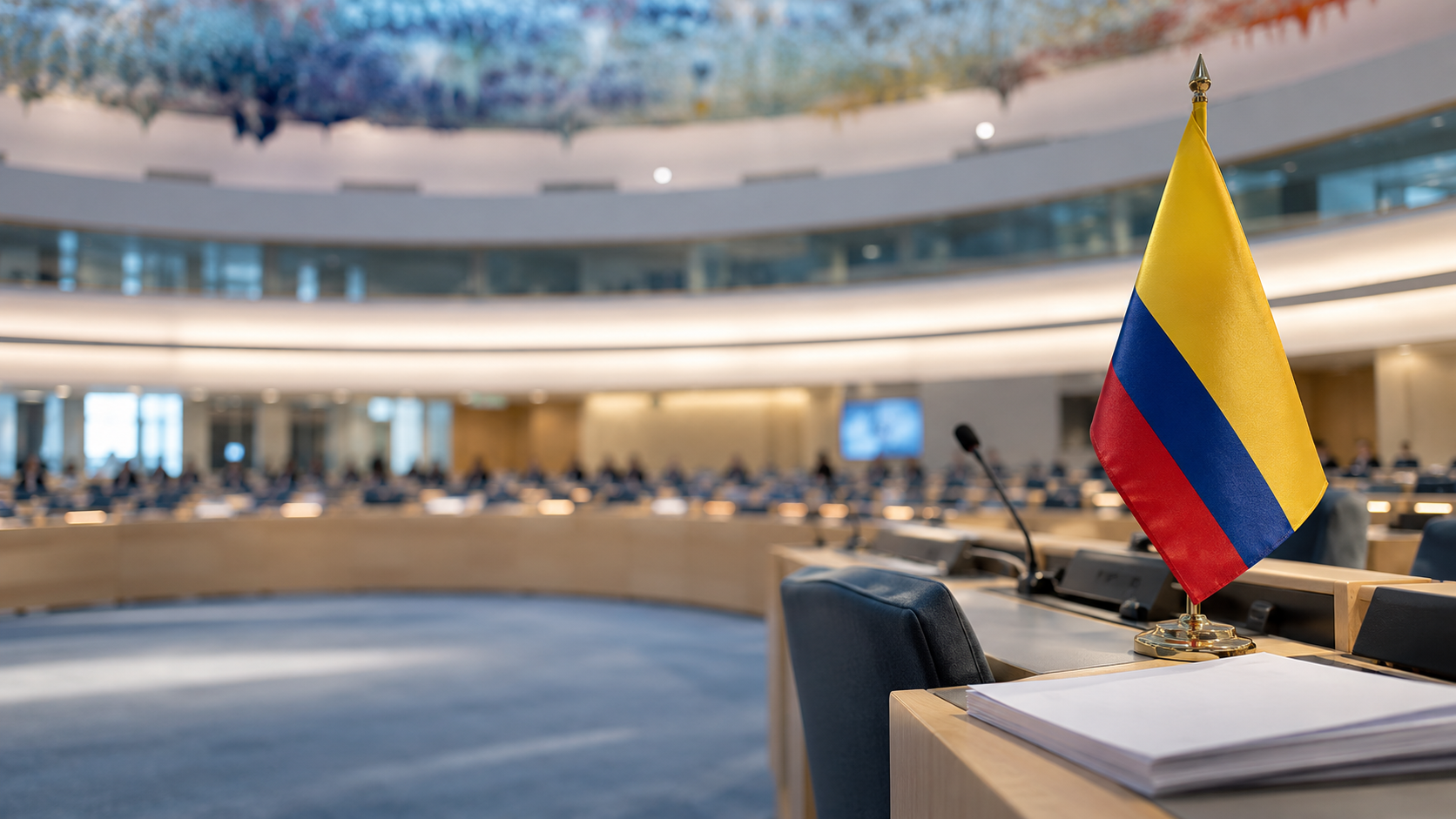
The 63rd session provided international visibility to several human rights concerns relating to Colombia, particularly against the backdrop of the tenth anniversary of the 2016 Peace Agreement and the new Government’s first decisions.
Statements by civil society organisations, independent United Nations mechanisms and the Office of the Ombudsperson, together with positions expressed by the Colombian State itself, point to four main areas of particular relevance for monitoring and advocacy.
First, implementation of the Peace Agreement and possible setbacks concerning its core commitments featured prominently in several statements. Concerns were expressed about the future of Comprehensive Rural Reform, the Special Jurisdiction for Peace (JEP) and mechanisms for searching for missing persons, especially in view of possible institutional changes, budget cuts and narratives calling progress into question. With regard to Comprehensive Rural Reform, speakers recalled that the constitutional recognition of peasants as rights holders creates obligations for the State and is directly linked to Point 1 of the Peace Agreement. Statements on enforced disappearances also showed that this phenomenon is not merely a historical consequence of the armed conflict but has continued since 2016. Speakers warned that patterns of disappearance are diversifying and becoming increasingly linked to illicit economies, trafficking in persons, sexual exploitation and different forms of territorial control. In this context, they called for preservation of the resources of the Unit for the Search for Persons Deemed Missing (UBPD) and effective implementation of protection measures for women searching for missing relatives. At the same time, the United Nations’ recognition of the JEP and the Truth Commission as examples of good practice in transitional justice provided a counterpoint to challenges directed at these mechanisms. Taken together, these statements reinforced the need to safeguard institutional progress and keep comprehensive implementation of the Peace Agreement on the international agenda.
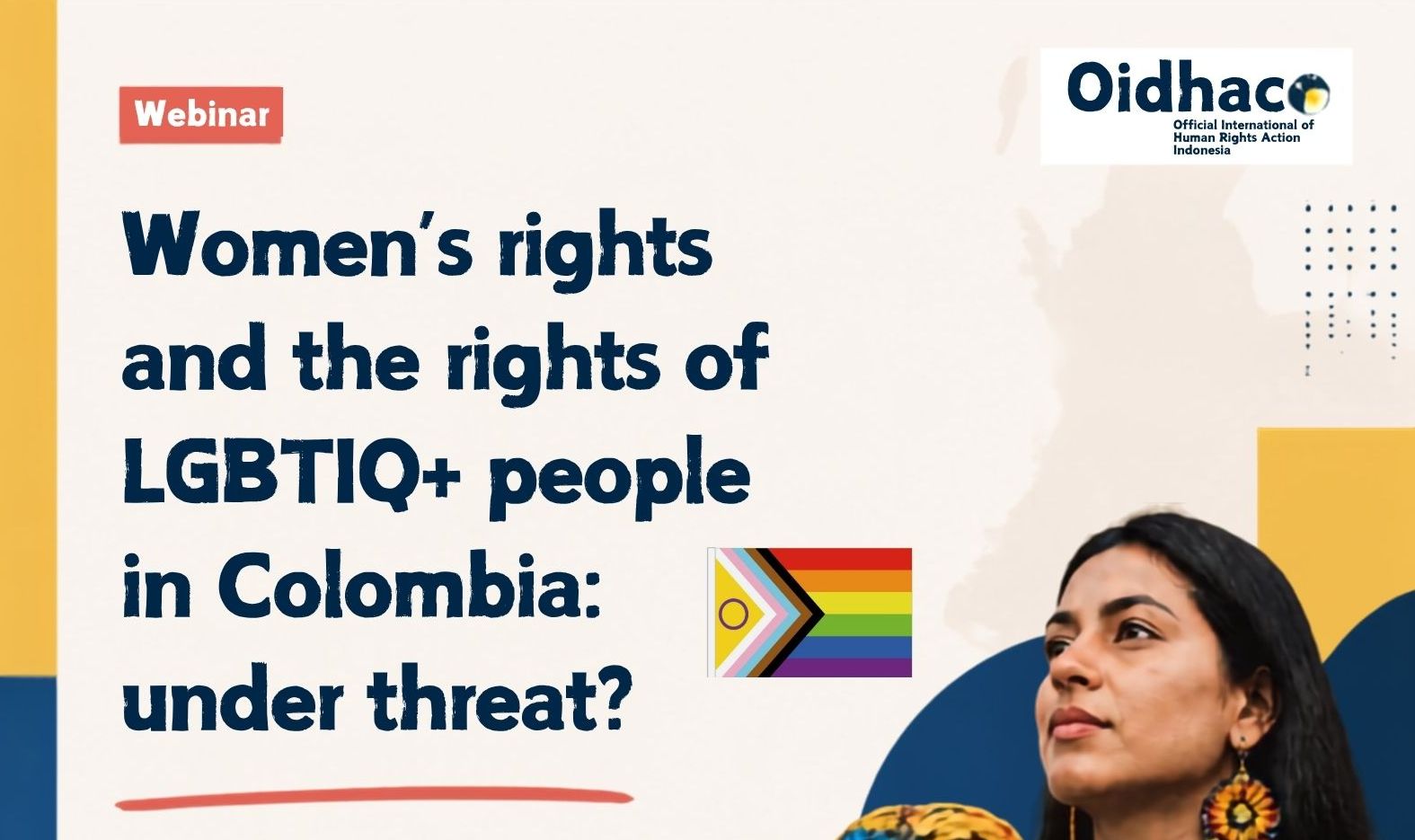
Second, the new Colombian Government’s position on gender perspectives, sexual and reproductive rights and discrimination was one of the session’s most politically significant developments. The interpretative statement delivered by Colombia on 7 October introduced reservations and limitations regarding fundamental concepts such as sexual and reproductive health and rights, gender-based violence and intersectional discrimination. This position is interpreted as a sign of a move away from mainstreaming gender and diversity perspectives in public policy and international human rights commitments. It also raises questions about potential consequences for the protection of the rights of women and LGBTIQ+ people, as well as implementation of the Peace Agreement’s gender perspective.
Third, developments in security and counter-narcotics policy prompted important human rights warnings. Statements on the possible resumption of chemical spraying, particularly with ammonium glufosinate, raised concerns about its potential consequences for health, the environment and the livelihoods of rural communities. Following its visit to Colombia, the International Independent Expert Mechanism to Advance Racial Justice and Equality in Law Enforcement (EMLER) also warned that predominantly punitive and militarised approaches had historically caused human rights violations and disproportionately harmed Afro-Colombian communities. The Mechanism insisted that any expansion of security operations must avoid perpetuating patterns of racial profiling, criminalisation and excessive use of force. Although the Colombian Government defended the need to combat criminal organisations and challenged some report findings as relating to a period before it took office, international recommendations provide clear benchmarks for assessing new security policies. The statements also reinforced the need to link efforts to combat drug trafficking with rural development, community participation and protection of the rights of the most affected populations.
Finally, the protection of the territorial rights of peasant, Indigenous and Afro-descendant communities, together with the responsibility of economic actors, formed another important strand of statements concerning Colombia. Representatives of the Kankuamo Indigenous people warned of risks of regression in previously recognised territorial rights, particularly in the face of changes in government priorities and pressures arising from extractive activities, and emphasised the importance of protecting the Black Line (Línea Negra) and the ancestral territories of the Sierra Nevada de Santa Marta. These concerns connect with statements on the legal recognition of peasants and the need to preserve territorial guarantees under Comprehensive Rural Reform. These references situate territorial and environmental protection of Colombian communities within the broader international debate on corporate responsibility, free, prior and informed consent, and effective access to justice.
Overall, the session brought key concerns of Colombian organisations to the international arena, while providing recommendations from independent mechanisms and revealing some of the new Government’s human rights positions. However, it is important to distinguish between allegations and demands presented by organisations, findings of United Nations mechanisms and official State statements, since they do not all carry the same institutional weight.
For OIDHACO and its member organisations, the main value of these statements lies in the opportunity to use their content to strengthen monitoring of Colombia’s international commitments and inform dialogue with European institutions. The tenth anniversary of the Peace Agreement also presents an opportunity to connect current concerns about transitional justice, gender, security and territorial rights with the need to safeguard progress achieved and ensure continuity of peacebuilding commitments.