Alliance of Social and Related Organisations / Carolina Maya – Democracy and civic space: warnings regarding the concentration of power and setbacks in rights
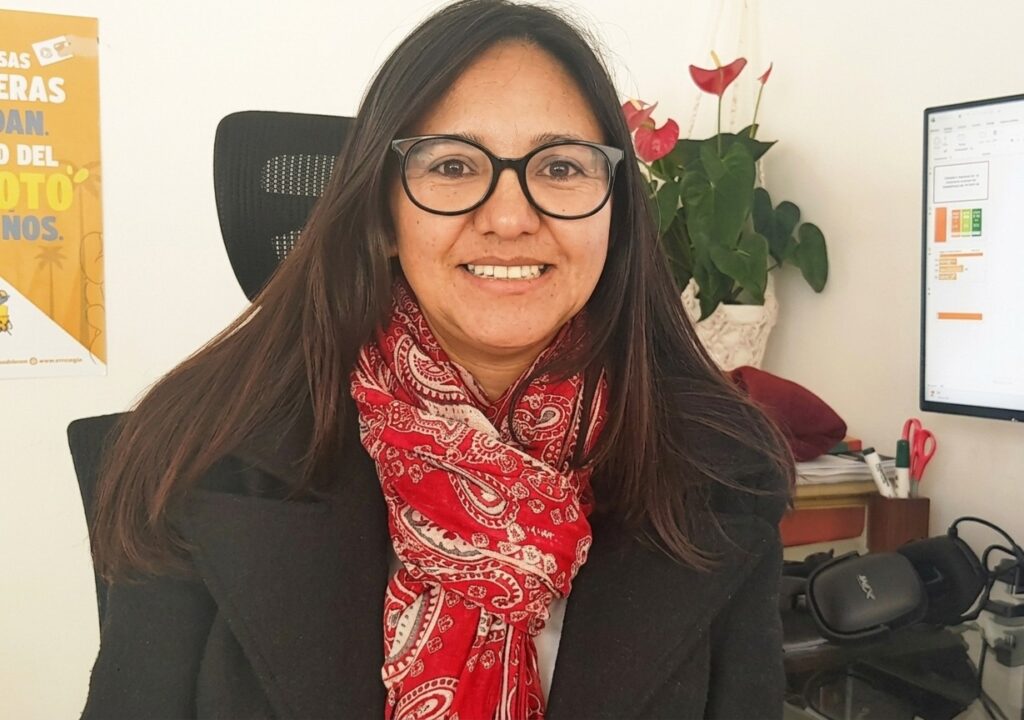
Carolina Maya analysed the risks to democracy during the first few months of Abelardo de la Espriella’s government, highlighting the concentration of executive power, the use of decrees without sufficient public participation, and the weakening of institutional checks and balances. She warned of restrictions on social protest, the stigmatisation of human rights defenders and social organisations, setbacks in the rights of women and LGBTIQ+ people, and actions that undermine historical memory. She also questioned foreign policy decisions due to their implications for national sovereignty. It called on the international community to keep these issues on the agenda for political dialogue, to monitor compliance with policies safeguarding rights, and to maintain funding and support for civil society.
Coordinación Colombia–Europa–Estados Unidos / Olga Silva – Derechos humanos y paz: crisis humanitaria, militarización y amenazas a las salidas dialogadas
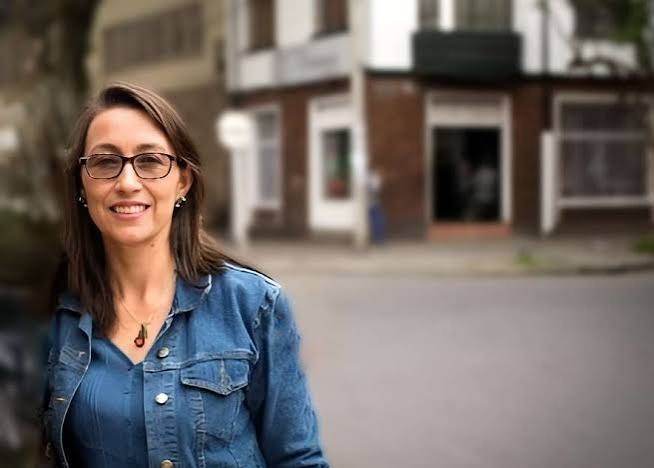
Olga Silva outlined a worsening human rights and humanitarian crisis, citing the murders of social leaders and signatories to the peace agreement, massacres, alleged extrajudicial killings and the recruitment of children and adolescents. She questioned the military focus of the state’s response, the closure of negotiation channels, the stalling of protection policies and attempts to cut funding for the JEP and the Search Unit. She warned that the ambiguity of the draft anti-terrorism statute could facilitate the persecution of social organisations and local humanitarian initiatives. It called on the EU to support negotiated solutions, strengthen the protection of human rights defenders and review its classification of Colombia as a ‘safe country’, prioritising human rights and peace in its relations with the country.
Plataforma Colombiana de Derechos Humanos, Democracia y Desarrollo / Francisco Henao – Tierra y derechos sociales y ambientales: riesgos para la reforma rural y las garantías territoriales
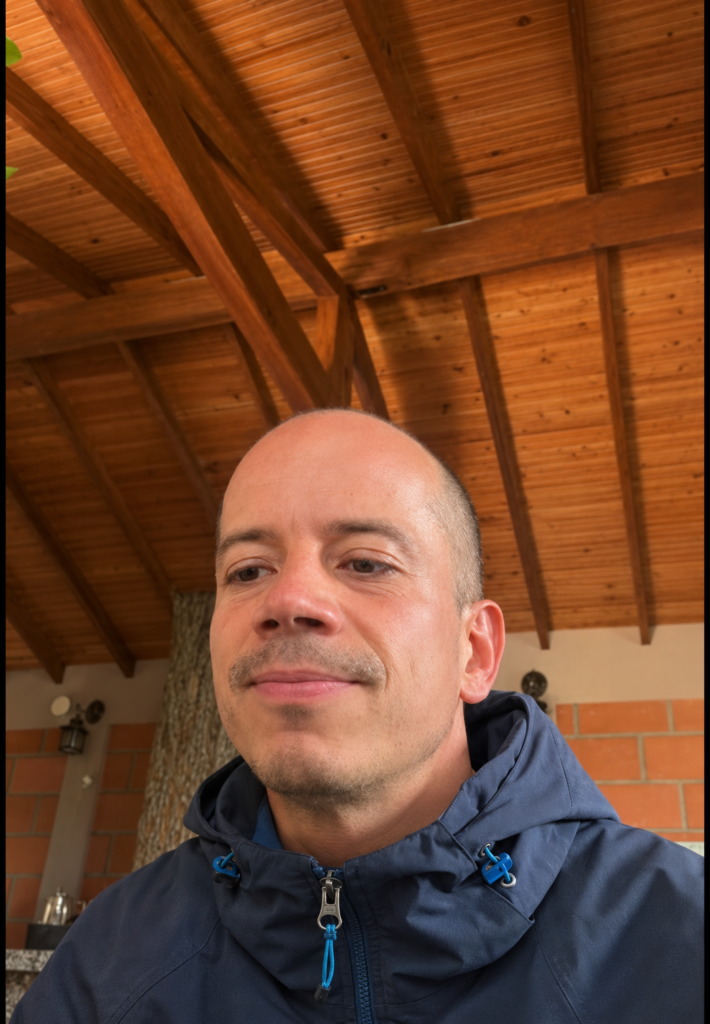
Francisco Henao focused his speech on the impact of government policies on economic, social, cultural and environmental rights, particularly in rural areas. He warned of the stalling of the Comprehensive Rural Reform, the freeze on land purchases and the cuts that would affect farming communities and rural women. He questioned the relaxation of labour and environmental safeguards and of the requirement for prior consultation, the promotion of extractive projects, the lack of transparency surrounding the agreement on critical minerals with the United States, and the return to forced crop eradication. He emphasised that the budgetary cuts to the JEP would also jeopardise restorative projects and territorial reparation. She called for stronger alliances between Colombian and European organisations, for the enforcement of international commitments, and for greater protection for those who defend the land and the environment.
Principales conclusiones
The participating organisations raised the alarm over the shrinking of civic space and the erosion of democratic safeguards during the first few months of Abelardo de la Espriella’s government. They highlighted the issuing of decrees without sufficient public consultation, restrictions on protest, stigmatising rhetoric against human rights defenders and social organisations, and the concentration of power in the executive. They also denounced setbacks in the rights of women and LGBTIQ+ people, as well as actions undermining historical memory.
On the subject of human rights and peace, the statements highlighted the continuing killings of social leaders and peace signatories, massacres, alleged extrajudicial executions and the recruitment of children and adolescents. They questioned the closure of dialogue forums, the priority given to military responses and the stalling of policies to safeguard rights. They also warned that the proposed budget cuts to the JEP and the Search Unit constitute a means of weakening these institutions and undermine the rights of victims.
With regard to economic, social, cultural and environmental rights, attention was drawn to the weakening of the Comprehensive Rural Reform, the freeze on land purchases and cuts to rural programmes. Concerns were also raised about the relaxation of prior consultation and environmental protections, the promotion of extractive projects, the lack of transparency surrounding the agreement on critical minerals with the United States, and the return to forced eviction. It was emphasised that these decisions affect territorial rights and may exacerbate conflicts.
Recommendations to the European Union
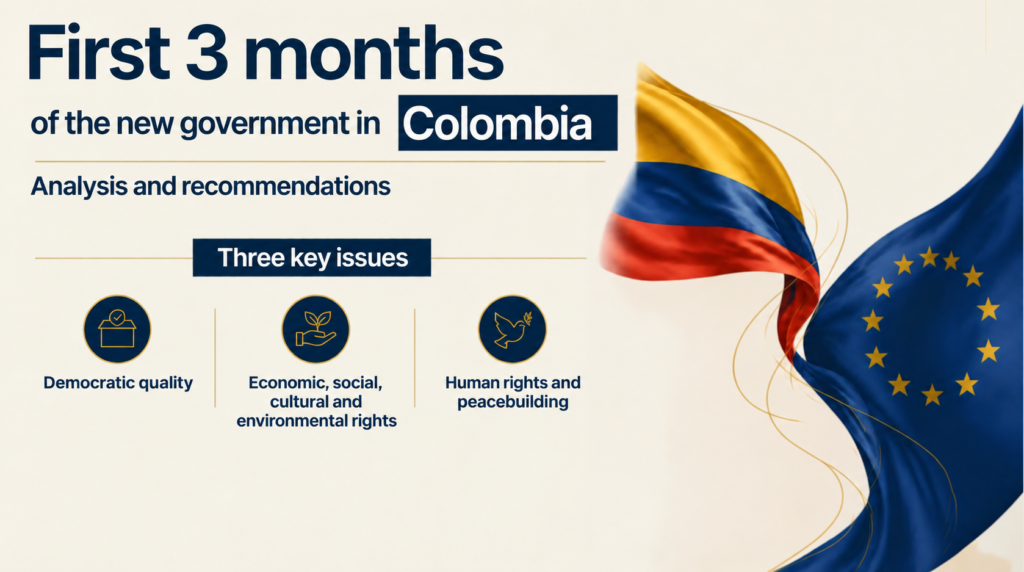
The platforms called for democracy, human rights, and economic, social, cultural and environmental rights, as well as peace-building, to remain on the European agenda and in high-level meetings with Colombia. They asked for updates on the implementation of policies to safeguard human rights defenders and women leaders, the National Action Plan on Human Rights, and the protection programme for communities and organisations in the regions. They also highlighted the importance of verification visits, embassy reports and audits of cooperation funds.
The EU was asked to support the social movement for human rights and peace, to advocate for political and dialogue-based solutions to the armed conflict, and to send strong messages to the Colombian Government regarding the situations that have been reported. They also called for support for communities’ humanitarian and peace initiatives, including their territorial dialogues, in the face of risks of persecution and criminalisation. Olga Silva expressly questioned the classification of Colombia as a ‘safe country’ due to its implications for asylum and refuge.
The speakers called for continued cooperation, funding and technical assistance for civil society organisations, particularly regarding the protection of human rights defenders and the rights of women and diverse communities. They also called for the enforcement of European protection guidelines to be strengthened and for greater support to be given to initiatives defending the social rule of law, democracy, sovereignty and environmental rights. Finally, they called for dialogue to be maintained with both the Colombian state and civil society, and for human rights, democracy and peace to be prioritised over economic and commercial interests. In closing, OIDHACO emphasised Europe’s shared responsibility for the impacts of its policies on drugs, investment and cooperation, as well as for the issues it raises – or fails to raise – in its relationship with Colombia.